One-Visit Ceramic Crown: Restoring Your Smile in Just Two Hours
Modern digital dentistry has transformed the way crowns are made and delivered. In the past, receiving a dental crown often required two appointments separated by several weeks, along with the inconvenience of wearing a temporary crown. Today, advanced technology allows dentists to provide high-quality ceramic crowns in a single visit. With computer-aided design and manufacturing (CAD/CAM) systems, patients can leave the office with a permanent restoration in as little as two hours.
The process begins with tooth preparation. A dental crown is recommended when a tooth has extensive decay, a large filling, fractures, or has undergone root canal treatment. During the first step, the dentist carefully shapes the tooth to create enough space for the ceramic restoration. Depending on the complexity of the case, this stage typically takes between 15 and 30 minutes. Some teeth may require additional procedures, such as a core buildup or placement of a post and core, to provide adequate support for the future crown.
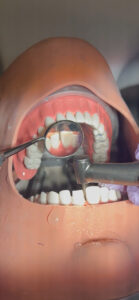
Once the tooth has been prepared, a digital impression is taken using an intraoral optical scanner. Instead of traditional impression materials, the scanner captures thousands of images and creates a highly accurate three-dimensional model of the patient’s teeth. This digital workflow provides excellent precision while offering greater comfort for patients, especially those who dislike conventional impressions.
After the scan is completed, the dentist uses specialized software to design the crown. The computer-generated model allows the dentist to customize the restoration according to the patient’s bite, tooth shape, and surrounding anatomy. Every detail, from the contour of the crown to the contact with adjacent teeth, can be adjusted to achieve both function and aesthetics. The digital design process ensures that the final restoration fits naturally within the patient’s smile.
When the design is finalized, the information is sent to an in-office milling machine. Using a solid block of high-quality ceramic, the machine precisely carves the crown according to the digital design. This milling process generally takes about 10 to 20 minutes, producing a strong and accurate restoration. Because the crown is fabricated in the dental office, there is no need to send impressions to an external laboratory or wait several weeks for the final restoration.
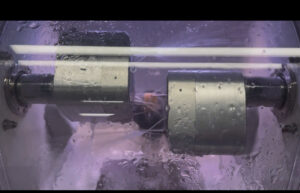
Following milling, the dentist performs the finishing procedures. The ceramic crown is polished and characterized with stains or glazing when necessary to achieve a natural appearance and match the patient’s existing teeth. These artistic details help create a restoration that blends seamlessly with the surrounding dentition.
Finally, the completed crown is tried in the mouth to verify the fit, bite, and esthetics. After any necessary adjustments are made, the crown is permanently bonded to the prepared tooth using dental adhesive materials. The result is a durable and highly esthetic restoration that restores both function and appearance.
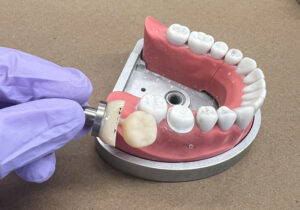
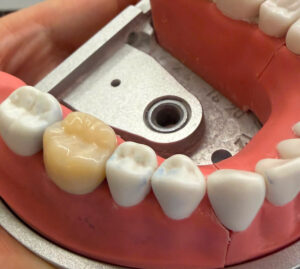
One-visit ceramic crowns offer numerous advantages. Patients benefit from fewer appointments, no temporary crowns, and immediate restoration of their smile. Digital technology also provides exceptional accuracy and efficiency while maintaining the strength and beauty of modern ceramic materials.
Thanks to advances in digital dentistry, patients no longer need to wait weeks to receive a permanent crown. In just a single two-hour visit, they can walk out of the dental office with a beautiful, functional, and long-lasting new tooth.